

 +91 9152107263 | +91 22 3520 9600
 enquiry@aimscollegeofphysiotherapy.com | admin@aimscop.edu.in
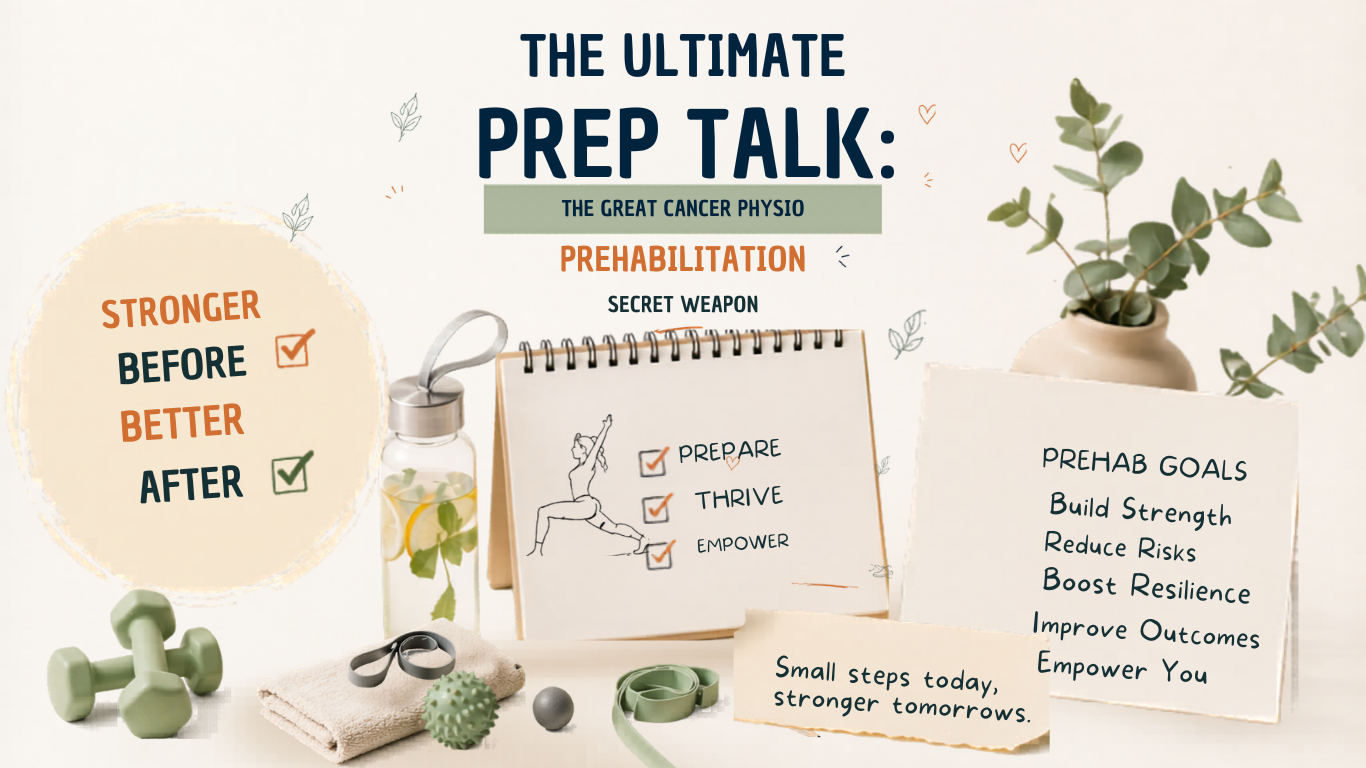
Table of Contents
5. Emotional Strength & Control
Introduction
Hello future physiotherapy champions! In modern cancer care, one concept is gaining strong attention—Prehabilitation. Instead of waiting for treatment side effects to weaken the body, this proactive approach prepares patients in advance. It focuses on building physical strength, improving endurance, and supporting mental well-being before treatment begins.
What is Prehabilitation?
Prehabilitation is like preparing for a major challenge—similar to how athletes train before a big competition. Cancer treatments such as surgery, chemotherapy, and radiation place significant stress on the body. This preparation phase helps patients improve their overall fitness before treatment starts.
It mainly focuses on:
- Improving muscle strength
- Enhancing stamina
- Boosting mental health
- Optimizing overall physical condition
Importance in Cancer Care
Cancer treatments can lead to fatigue, muscle loss, and reduced physical capacity. Without preparation, recovery becomes more difficult and slower. Prehabilitation helps patients build a strong foundation, making it easier to handle treatment.
It helps patients:
- Improve treatment tolerance
- Reduce complications
- Speed up recovery time
- Minimize hospital stay duration
Role of Physiotherapist
1. Cardiovascular Fitness
Physiotherapists design safe exercise routines to improve heart and lung function. Activities like walking, cycling, and light aerobic exercises help increase endurance.
2. Strength Training
Maintaining muscle mass is essential during cancer care. Resistance exercises help patients stay strong and improve daily functioning.
3. Personalized Planning
Each patient receives a customized program based on their condition. For example, breast cancer patients may require shoulder mobility exercises to prevent stiffness and complications.
Emotional Strength & Control
A cancer diagnosis often brings stress and uncertainty. Prehabilitation provides structure and helps patients feel more in control of their journey.
It encourages a powerful mindset shift:
From: Feeling helpless
To: Taking charge of recovery
This positive approach improves confidence, reduces anxiety, and enhances overall well-being.
Key Assessments
Physiotherapists use simple tests to measure progress and track improvement.
- Six-Minute Walk Test (6MWT)
- Sit-to-Stand Test
These assessments help evaluate physical performance and motivate patients by showing measurable progress over time.
Benefits
- Better physical strength before treatment
- Improved recovery speed
- Reduced risk of complications
- Enhanced quality of life
- Improved mental resilience
FAQs
Q1. When should prehabilitation start?
It should begin immediately after diagnosis and before treatment starts.
Q2. Is it safe for all patients?
Yes, programs are customized according to each patient’s condition.
Q3. How long does it take?
Even a few weeks of preparation can make a significant difference.
Conclusion
Prehabilitation is a powerful step forward in cancer care. It prepares the body and mind, helping patients face treatment with confidence and strength. By focusing on early preparation, physiotherapy plays a key role in improving outcomes and quality of life.