
 +91 9152107263 | +91 22 3520 9600
 enquiry@aimscollegeofphysiotherapy.com | admin@aimscop.edu.in
Dr. Omeshree Meshram
HOD & Associate Professor | PhD Scholar | MPT
Introduction
The weeks after childbirth are a time of recovery and adjustment for every mother. Pregnancy and delivery bring major changes to the body — muscles stretch, ligaments loosen, posture alters, and endurance levels drop. During this phase, physiotherapy becomes an essential part of healing. It helps women regain strength, correct posture, and manage pain while guiding them toward a safe return to normal daily activities.
Table of Contents
- Restoring Physical Strength
- Strengthening the Pelvic Floor
- Managing Pain and Postural Problems
- Recovery After Cesarean or Normal Delivery
- Supporting Emotional Well-being
- Safe Return to Activity
- Frequently Asked Questions (FAQs)
- Conclusion
1. Restoring Physical Strength
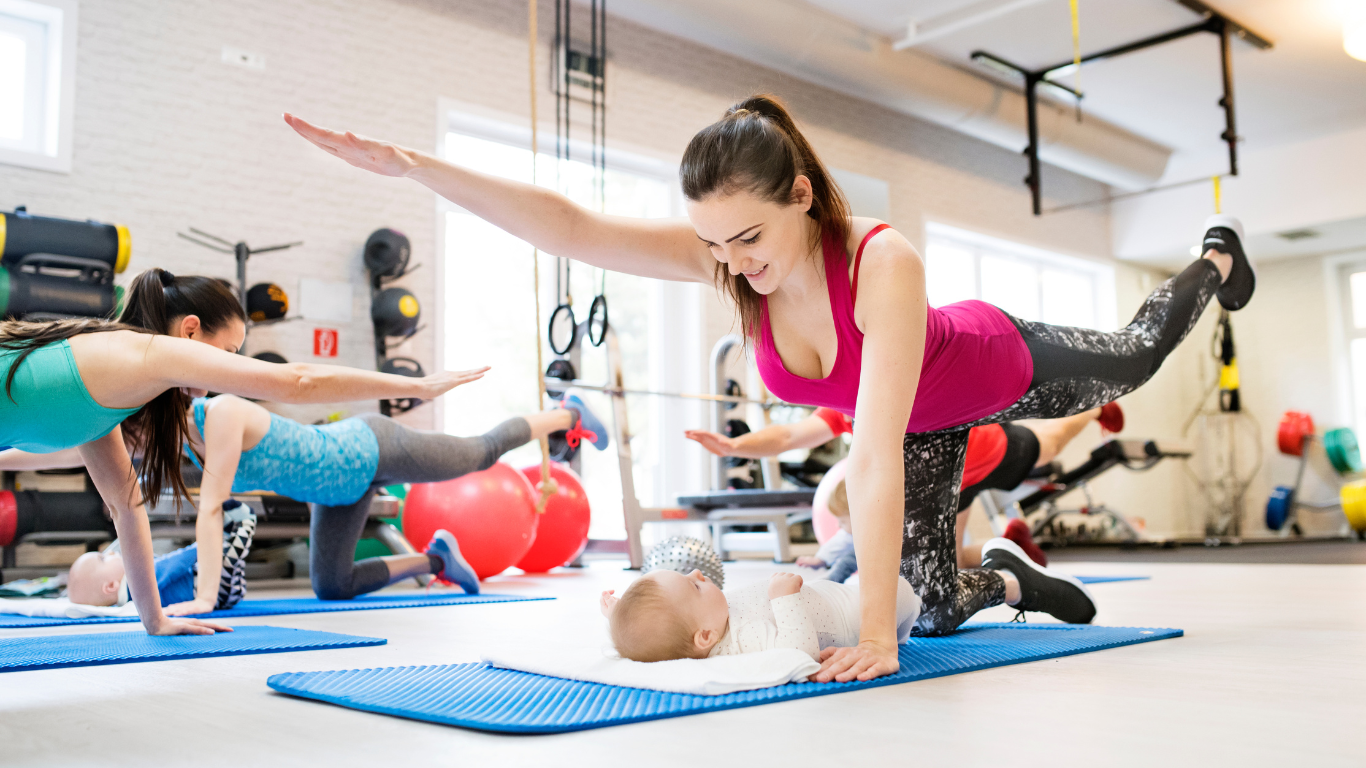
After delivery, many women feel weak or unsteady due to loss of muscle tone, especially around the abdomen and lower back. Physiotherapy provides specific exercises that help restore stability and flexibility. These gentle movements improve blood circulation, enhance posture, and allow mothers to move comfortably while caring for their newborns.
2. Strengthening the Pelvic Floor
The pelvic floor muscles, which support the bladder, uterus, and bowel, are often strained during pregnancy and childbirth. A physiotherapist teaches simple but effective exercises to strengthen these muscles and prevent issues such as urine leakage, pelvic pressure, or discomfort. Regular practice helps women regain control, improve core strength, and restore confidence in their daily routines.
3. Managing Pain and Postural Problems
Back, neck, and shoulder pain are common during the postnatal stage, especially due to breastfeeding positions, poor posture, or lifting the the baby repeatedly. Physiotherapy focuses on posture correction, relaxation stretches, and ergonomic advice. With proper training, mothers learn how to feed, lift, and carry their babies without putting unnecessary stress on their spine or joints.
4. Recovery After Cesarean or Normal Delivery
Whether the birth is vaginal or by cesarean section, guided exercises can speed up recovery.
- After a cesarean delivery, gentle breathing and circulation exercises help prevent stiffness, reduce swelling, and support scar healing.
- After a normal delivery, early mobility and pelvic floor exercises help rebuild muscle tone and promote confidence in movement.
Physiotherapy ensures that recovery is gradual, safe, and aligned with the body’s healing process.
5. Supporting Emotional Well-being
Physical healing is closely linked to emotional health. Regular physiotherapy sessions encourage movement that releases endorphins — natural hormones that lift mood and reduce anxiety. Simple relaxation and breathing exercises help new mothers manage stress, improve sleep quality, and feel more in control of their bodies during this life-changing phase.
6. Safe Return to Activity
Many mothers wish to resume household work or fitness routines soon after birth. Physiotherapists provide step-by-step guidance on when and how to begin safely. This gradual approach prevents injury, protects healing tissues, and ensures long-term recovery without complications.
7. (FAQs)
1. When should a mother start postnatal physiotherapy?
In most cases, gentle exercises can begin within a few days after delivery, depending on medical advice. A physiotherapist can design a plan based on the type of delivery and individual condition.
2. Is physiotherapy necessary after a normal delivery?
Yes. Even after a normal delivery, muscles and ligaments need recovery. Physiotherapy helps restore pelvic floor strength, posture, and overall stability.
3. Can physiotherapy help with urine leakage after childbirth?
Absolutely. Pelvic floor strengthening exercises are highly effective in managing and preventing urinary incontinence.
4. Is it safe to exercise after a cesarean section?
Yes, but only under guidance. A physiotherapist introduces gentle breathing and mobility exercises first, followed by gradual strengthening once healing progresses.
5. How long does postnatal physiotherapy continue?
It varies from person to person, but many mothers benefit from guided exercises for 6–12 weeks postpartum, with continued home practice afterward.
Conclusion
Physiotherapy is a vital part of postnatal care. It helps new mothers rebuild strength, reduce discomfort, and restore confidence in their bodies. Beyond physical recovery, it supports emotional balance and promotes a smoother transition into motherhood.
With proper guidance from trained professionals, such as experts at AIMS College of Physiotherapy, women can recover safely and embrace this new phase of life with strength, comfort, and happiness.