
 +91 9152107263 | +91 22 3520 9600
 enquiry@aimscollegeofphysiotherapy.com | admin@aimscop.edu.in
Introduction
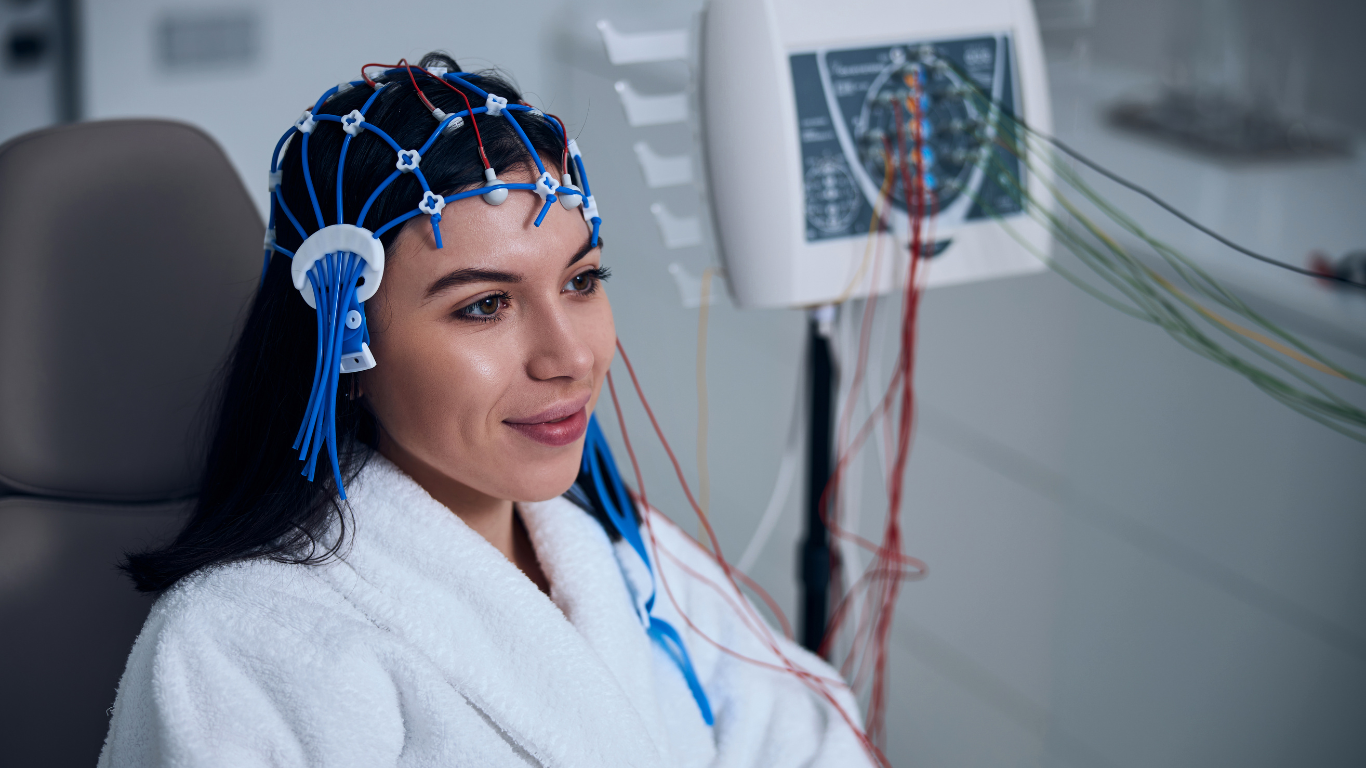
With an emphasis on improving function and quality of life in patients with neurological disorders, neurophysiotherapy has become a crucial specialty within rehabilitative sciences. The significance of specialized neurorehabilitation cannot be overstated, especially with the rising prevalence of conditions such as stroke, spinal cord injury, traumatic brain injury, Parkinson’s disease, and cerebral palsy.
Neurophysiotherapy focuses on restoring movement, independence, and participation in daily life through evidence-based and patient-centered rehabilitation strategies.
Table of Contents
- Understanding Neurophysiotherapy
- Goals of Neurophysiotherapy
- Therapeutic Methods Used in Neurophysiotherapy
- Effect on Quality of Life
- Frequently Asked Questions (FAQs)
- Conclusion
1. Understanding Neurophysiotherapy
Neurophysiotherapy involves the evaluation and treatment of individuals with neurological conditions that affect movement, posture, balance, and coordination. The primary aim is to enhance movement quality, postural control, and functional independence.
Interventions are based on the principles of neuroplasticity — the brain’s remarkable ability to reorganize itself by forming new neural connections. This ability allows patients to relearn lost skills and adapt after neurological injury or disease.
2. Goals of Neurophysiotherapy
- Improving functional motor performance
- Enhancing balance and gait stability
- Preventing complications caused by abnormal muscle tone
- Encouraging independence in activities of daily living (ADLs)
- Facilitating movement relearning through guided and repetitive practice
3. Therapeutic Methods Used in Neurophysiotherapy
1. Task-Oriented Training
Repetitive, purposeful activities are practiced to promote neuroplastic adaptation and functional improvement.
2. Balance and Gait Retraining
Techniques include sensory feedback methods, treadmill training, and the use of parallel bars to improve walking ability and stability.
3. Neurodevelopmental Therapy (NDT)
This approach focuses on promoting normal movement patterns while reducing abnormal or compensatory movements.
4. Sensory-Motor Integration
Therapy enhances proprioceptive and tactile awareness, which helps improve coordination and controlled movement.
5. Assistive Technologies
Advanced tools such as functional electrical stimulation (FES), virtual reality, robotic devices, and exoskeletons are increasingly used to support recovery and engagement in therapy.
4. Effect on Quality of Life
Neurophysiotherapy does more than improve physical mobility. Well-designed rehabilitation programs positively influence emotional well-being, social participation, and overall confidence. As patients regain independence, they experience better psychosocial adjustment and greater involvement in family and community life.
5. Frequently Asked Questions (FAQs)
1. Who can benefit from neurophysiotherapy?
Individuals with neurological conditions such as stroke, spinal cord injury, Parkinson’s disease, multiple sclerosis, cerebral palsy, or traumatic brain injury can benefit greatly.
2. Is recovery possible after a neurological injury?
While recovery varies, neurophysiotherapy helps the brain and nervous system adapt through neuroplasticity, improving function and independence over time.
3. How long does neurophysiotherapy treatment last?
Treatment duration depends on the condition, severity, and individual goals. Rehabilitation may be short-term or ongoing for chronic conditions.
4. Does neurophysiotherapy only focus on walking?
No. It addresses many aspects including balance, coordination, posture, arm and hand function, and independence in daily activities.
Conclusion
As research and technology continue to advance, neurophysiotherapy is evolving with more specialized, evidence-based, and individualized techniques. The goal is not only recovery but also empowered and independent living for individuals with neurological conditions.
With proper training and professional expertise, such as that provided at AIMS College of Physiotherapy, future physiotherapists are well-equipped to deliver high-quality neurorehabilitation and improve the lives of patients across all age groups.