 +91 9152107263 | +91 22 3520 9600
 enquiry@aimscollegeofphysiotherapy.com | admin@aimscop.edu.in
Dr. Omeshree Meshram
HOD & Associate Professor
PhD Scholar, MPT
Table of Contents
2. Familiarizing with Community Based Rehabilitation
4. Impact of Physiotherapy on the Community
Introduction
Community Based Rehabilitation (CBR) is a program developed by the World Health Organization. It focuses on improving the quality of life of people with disabilities and individuals who may be socially excluded. The program aims to provide equal opportunities in health, education, employment, and social participation.
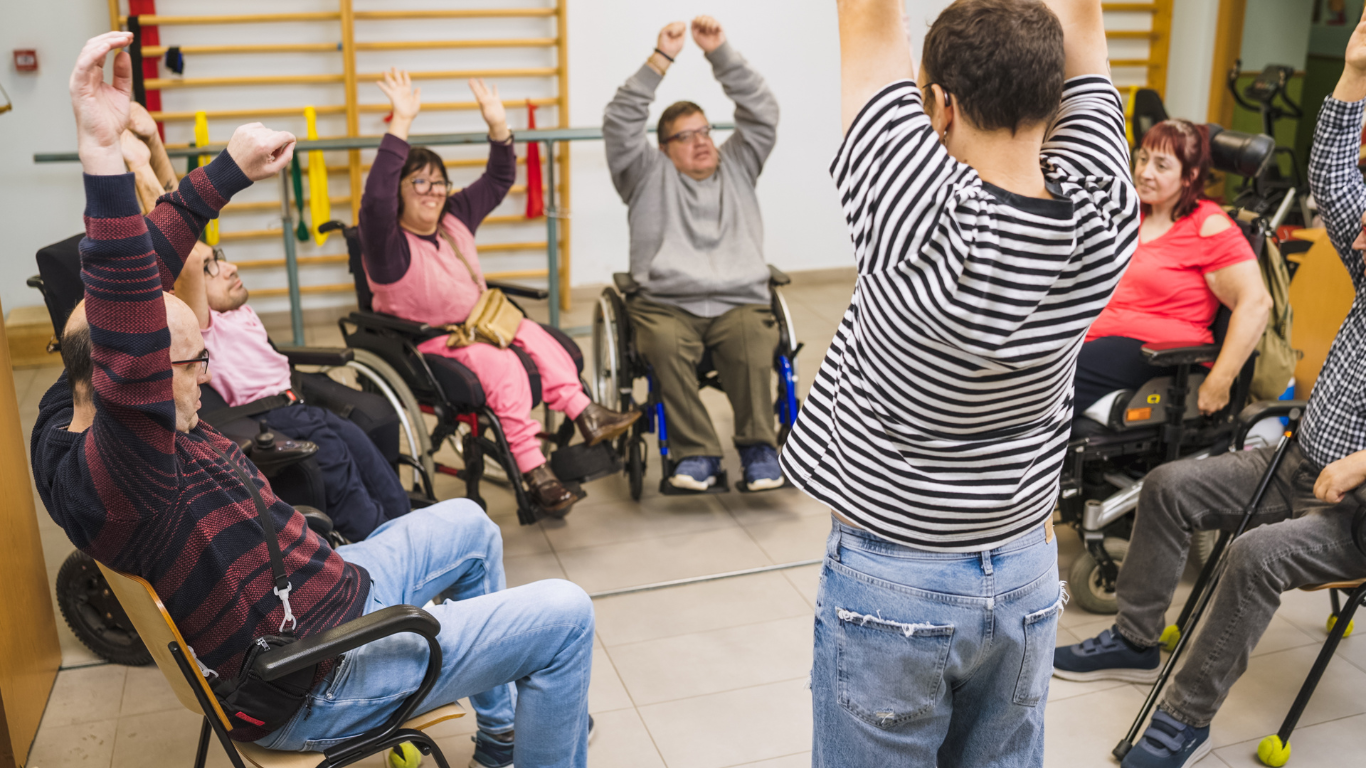
Physiotherapy plays a very important role in this program. It is not only about helping individuals regain movement, but also about empowering them to live independently and confidently within their communities. Physiotherapy helps individuals improve their physical abilities, self-confidence, and overall well-being.
Familiarizing with Community Based Rehabilitation
Community Based Rehabilitation is different from traditional hospital-based rehabilitation services. Instead of requiring individuals to travel to hospitals or rehabilitation centers, services are delivered directly within the community or at the person's home.
CBR also involves family members, caregivers, and the community in the rehabilitation process. This approach encourages acceptance, participation, and support for people with disabilities, helping them become active members of society.
Physiotherapy Role in CBR
1. Helping people become independent
Physiotherapists assess an individual's physical condition, mobility, and functional abilities. They design personalized exercise programs that help individuals improve movement, balance, and strength so they can perform daily activities independently.
2. Home-based care
Many individuals with disabilities are unable to visit hospitals frequently. Physiotherapists therefore provide home-based rehabilitation services. They conduct therapy sessions using simple tools and exercises that can be easily performed at home.
3. Early help and prevention
Physiotherapists work with healthcare professionals and community workers to identify physical problems early. Early intervention helps prevent complications and promotes long-term health and fitness.
4. Helping families and caregivers
Families play an important role in rehabilitation. Physiotherapists train caregivers on proper techniques for assisting patients with movement, positioning, and daily care activities safely.
5. Assistive Devices and Home Changes
Physiotherapists assess whether individuals require assistive devices such as wheelchairs, walkers, or walking sticks. They also train patients on how to use these aids effectively and suggest simple home modifications to improve safety and accessibility.
6. Health Promotion and Awareness
Physiotherapists promote healthy lifestyles within the community by educating people about posture, fall prevention, exercise, and physical fitness.
7. Teamwork and Advocacy
Physiotherapists collaborate with doctors, occupational therapists, social workers, and other professionals to create comprehensive rehabilitation plans. They also advocate for the rights and inclusion of people with disabilities.
Impact of Physiotherapy on the Community
- Improved mobility and physical strength.
- Better confidence and emotional well-being.
- Greater participation in daily and social activities.
- Reduced hospital visits and healthcare costs.
- Increased awareness and acceptance of disability inclusion in society.
FAQs
1. What is Community Based Rehabilitation (CBR)?
Community Based Rehabilitation is a program initiated by the World Health Organization to provide rehabilitation services to people with disabilities within their own communities.
2. How do physiotherapists help in Community Based Rehabilitation?
Physiotherapists help individuals improve movement, provide home exercises, train caregivers, and promote health awareness in the community.
3. Why is home-based physiotherapy important in CBR?
Home-based physiotherapy is important because many individuals with disabilities may find it difficult to visit hospitals regularly, especially in rural or remote areas.
4. What are the benefits of physiotherapy in community rehabilitation?
Physiotherapy helps individuals become more independent, improves their quality of life, and allows them to actively participate in community activities.
Conclusion
Physiotherapy in Community Based Rehabilitation focuses on empowering individuals with disabilities to live independently with dignity and confidence. By promoting health, inclusion, and equality, physiotherapists play a key role in building supportive communities.
By bringing rehabilitation services directly into homes and communities, CBR creates a more inclusive society where people with disabilities can lead fulfilling and meaningful lives.